Featured
Table of Contents
Technical Shifts in Proximity Browse for 2026
The mechanics of how customers discover neighboring companies have actually moved far beyond simple zip code matching. In 2026, proximity search functions through a complicated layer of intent-based signals and real-time data feeds. Sellers in New York no longer simply compete for an area in a list of results. Rather, they need to appear in the synthesized answers provided by generative online search engine. This shift toward AI search optimization (AEO) and generative engine optimization (GEO) suggests that a store's physical area is just one variable amongst numerous. Online search engine now weigh transit times, present inventory, and even the live atmospheric conditions when advising a shop to a user.
Steve Morris, CEO of NEWMEDIA.COM, has actually observed that the accuracy of regional data has become the most considerable aspect in maintaining exposure. His agency, which operates across major markets including Denver, NEW YORK CITY, and Miami, highlights that the era of passive local listings is over. Businesses should now provide structured information that AI models can consume instantly. This information includes everything from live product schedule to the particular services offered within a specific hour. Merchants find that prioritizing NYC Search Optimization causes greater conversion rates because it aligns their digital existence with the instant requirements of the neighborhood.
Hyper-Local Existence in the region
Small and mid-sized services throughout the area deal with a special set of challenges as AI assistants become the main user interface for discovery. These AI agents do not just list alternatives-- they curate them. If a citizen in New York asks their wearable gadget for a particular product, the AI assesses which shop has that product in stock and if the shop is presently hectic. This level of hyper-local marketing needs a level of technical sophistication that was rare simply two years ago. Conventional SEO techniques have actually been replaced by techniques that focus on exposure within the generative results of platforms like RankOS.
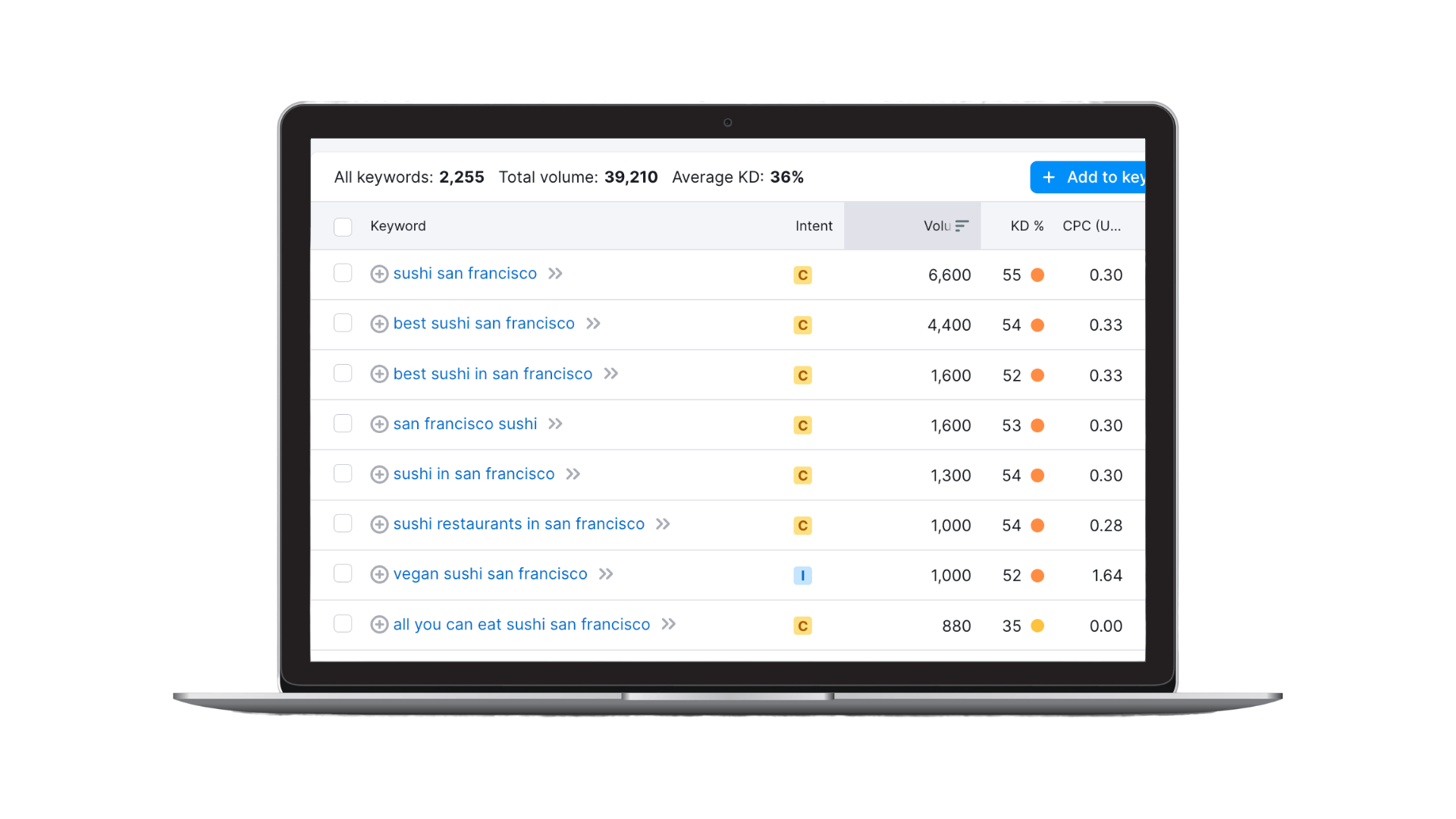
The RankOS platform supplies a way for retailers to monitor how they appear in these brand-new AI-driven environments. Visibility is no longer about a blue link on a screen. It is about being the definitive response provided by a voice assistant or an increased truth overlay. Growth in Expert New York Growth Services provides a course for shops to catch area demand by guaranteeing their information is tidy, reachable, and formatted for device learning usage. This transition has changed the method marketing budgets are dispersed, with a heavier emphasis on the technical backend of regional listings.
The Role of Generative Engine Optimization
Generative Engine Optimization (GEO) has actually ended up being a staple for any merchant wanting to survive in the United States. Unlike old-fashioned keyword targeting, GEO includes producing content that responds to particular, multi-layered questions. A consumer in 2026 may browse for a store that has a specific design of shoe in stock, provides vegan-friendly products, and is within a ten-minute walk of their current place. Satisfying these requirements requires the store to have its stock data synced completely with search spiders.
NEWMEDIA.COM has actually expanded its operations into Dallas, Atlanta, and Los Angeles to help retailers manage these complex data requirements. The firm's technique includes more than simply web design or social media management. It focuses on the intersection of physical place and digital intent. For lots of firms, Growth Services in New York typically yields outcomes that favor businesses with detailed regional data. When an online search engine can validate that an organization is a trusted entity in New York, it is most likely to suggest that organization over a remote competitor, even if that rival has a larger national brand name.
Shifting Customer Expectations and AI Assistants
Consumer behavior in 2026 is specified by a lack of patience for incorrect information. If an AI assistant directs a consumer to a store in the broader area and the product is out of stock, the customer loses rely on both the store and the assistant. This high-stakes environment indicates that sellers should treat their digital presence as a live reflection of their physical reality. The combination of AI search optimization into daily business operations has actually ended up being a requirement for sellers across the surrounding region.
Steve Morris has actually kept in mind in numerous industry publications that business succeeding today are those that treat their location data as a product in itself. By utilizing RankOS, these business can see exactly where their info gaps lie. If a shop in Chicago or Nashville is missing data on its accessibility or present wait times, it will likely be benched in distance search rankings. The algorithm treats missing information as an indication of unreliability. The goal for merchants is to end up being the most dependable information source for the AI representatives that their consumers use every day.
The Influence On Traditional Retail Models
The surge in distance search efficiency has actually helped some brick-and-mortar stores contend more effectively versus online-only giants. While a massive e-commerce site can provide low prices, it can not offer the immediacy of a store five minutes away in New York. By taking advantage of this "immediacy tax," regional retailers can preserve healthy margins. The key is ensuring that the customer understands the product is available today. This is where the technical work of a full-service digital agency emerges.
Agencies now provide a suite of services that include AI-specific material production and structured information management. This ensures that when an AI model processes a question about the state, it has a clear and precise photo of what each local merchant provides. The focus has moved from "getting discovered" to "being the option." This change in perspective has caused a more effective local economy where consumers discover what they need faster and sellers decrease the waste associated with broad, untargeted advertising.
Merchants that overlook these changes discover themselves becoming undetectable. In 2026, if an organization does not exist in the generative search engine result, it basically does not exist for a large segment of the population. The cost of technical debt is high. Alternatively, those who accept the technical requirements of proximity search discover themselves with a constant stream of high-intent foot traffic. The shift toward AEO and GEO is not a temporary pattern however an essential change in the architecture of the internet and how it connects with the real world of retail.
As the year 2026 progresses, the dependence on these automated systems will only increase. Sellers in New York should stay notified about the most current updates to search algorithms and AI processing approaches. Working with knowledgeable specialists who comprehend the subtleties of platforms like RankOS is frequently the distinction in between development and obsolescence. The focus stays on precision, speed, and the capability to show relevance to a machine that is making decisions on behalf of a human customer.

Latest Posts
How Regional Citations Drive Authority in CA
Elevating Brand Authority in New York
Why Search Visibility Begins With Neighborhood Engagement